Identify your dream outcome or goal
The journey to achieving any significant goal starts with understanding your ‘why’ – the intrinsic motivation driving your aspirations. Ask yourself, ‘What is the core reason behind my goal?’ This inquiry delves beyond surface-level desires like accolades or recognition, reaching into deeper motivations such as personal fulfillment, overcoming challenges, or the sheer joy of the sport. Your ‘why’ might stem from a passion for self-improvement, a commitment to a healthier lifestyle, or inspiration drawn from being part of a community of like-minded individuals.
Reflecting on your ‘why’ helps align your goals with your core values and beliefs, transforming your journey from a series of tasks into a meaningful pursuit. When challenges arise, as they inevitably do, recalling your ‘why’ can be a powerful source of motivation, sustaining your drive and focus.
Incorporate this reflection into the initial stages of your training plan. As you map out your Annual Training Plan, let your ‘why’ guide your choices – from selecting events to setting training milestones. This alignment ensures that your plan is not just a path to physical preparedness but also a journey that is fulfilling and resonates with your personal motivations.
Remember, the most successful athletes aren’t just physically strong – they’re mentally resilient, driven by a clear and personal ‘why’. By finding and embracing your own ‘why’, you lay the foundation for a journey that is as rewarding as it is challenging, propelling you towards your goals with a sense of purpose and passion.
After establishing your goals (and races) for the year, integrate them into a master plan. This helps you step back and see the bigger picture whenever you are in doubt or want to assess your progress. Alongside your big goals for the year, set a few support goals.
- A Race / Goal: this will be your big event or biggest goal for the season. For example, competing in Ironman Kona or aiming to lose 20 lbs. Focus on one big thing here.
- B Race / Goal: this is ideally something that’s connected with your A goal. For example, a race that’s preparing you for the Ironman like a half distance Ironman. Or changing your diet to healthy foods so you are set up to lose those 20lbs more easily. You could have multiple support goals (but not more than 3 per season).
- C Race / Goal: C goals are little steps in between. For example, I want to run a half marathon to be prepared for the half Ironman that I’m going to do. Or I stop eating ice cream every evening.
Once you have established the goals it’s time to set everything into perspective and break it down into workable blocks:
1. Preparation Phase
- The initial stage of training, the Preparation phase, is about gently awakening the body and mind for the upcoming challenges. It combines the establishment of a consistent routine with the introduction of varied, low-intensity workouts. Psychologically, it’s a time for setting intentions, building mental resilience, and establishing a positive mindset. Physiologically, the focus is on general conditioning, enhancing flexibility, and preparing the muscles and cardiovascular system for more intense training ahead. Length: 2-6 weeks.
2. Base Phase
- In the Base phase, the primary goal is to develop a strong aerobic foundation. This phase is characterized by increased training volume with a focus on endurance. Psychologically, athletes learn to manage sustained efforts, cultivating patience and discipline. Physiologically, this phase aims to enhance the body’s efficiency in oxygen and energy utilization, building endurance and strengthening the cardiovascular system. This gradual progression is crucial for preparing the body and mind for the higher intensities to come. Length: 8-16 weeks.
3. Build Phase
- The Build phase marks a transition to higher intensity training. It’s a period where psychological resilience is tested, as athletes push beyond their comfort zones with challenging workouts. This phase is crucial for developing mental toughness and confidence. Physiologically, the focus shifts to improving speed, power, and anaerobic capacity. Interval training, hill workouts, and tempo efforts are introduced to increase the body’s ability to handle and recover from high-intensity stress. Length: 6-12 weeks.
4. Peak/Taper Phase
- The Peak phase is the final polish before the main event, where training volume is reduced to facilitate recovery and peak performance. Psychologically, this phase is about fine-tuning focus, managing pre-race nerves, and visualizing success. Physiologically, the tapering process allows the body to recover, consolidate training gains, and prepare for maximal exertion. This strategic reduction in training load is designed to ensure that athletes arrive at the race fresh, energized, and physiologically primed for peak performance. Length: 2-4 weeks.
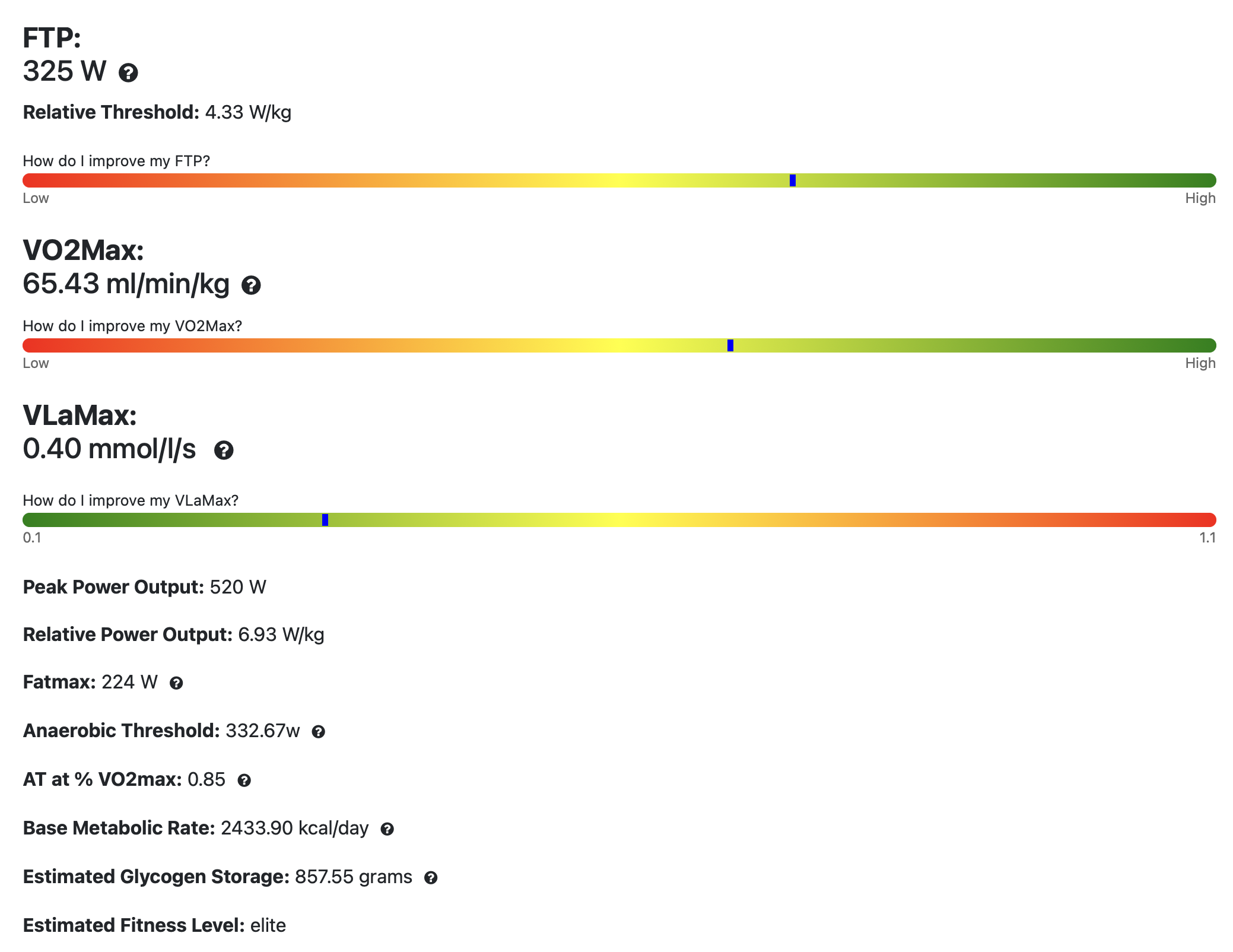
Each sport has different needs, hence varying traditional lengths for each phase. This is where YOUR personal limiters will dictate the kind of approach you should follow. A textbook buildup might NOT be the right approach for you on an individual level, as you might have to overcome different limiters from the typical “textbook athlete.”
Why engage in race intervals when we haven’t yet built a foundation? Doing so might mean leaving behind 40% of your potential, merely because ‘others’ are pursuing these intervals currently. It’s about you and your journey.
While this isn’t inherently negative, it’s crucial to apply first principle thinking to ensure the training buildup aligns with your specific needs.
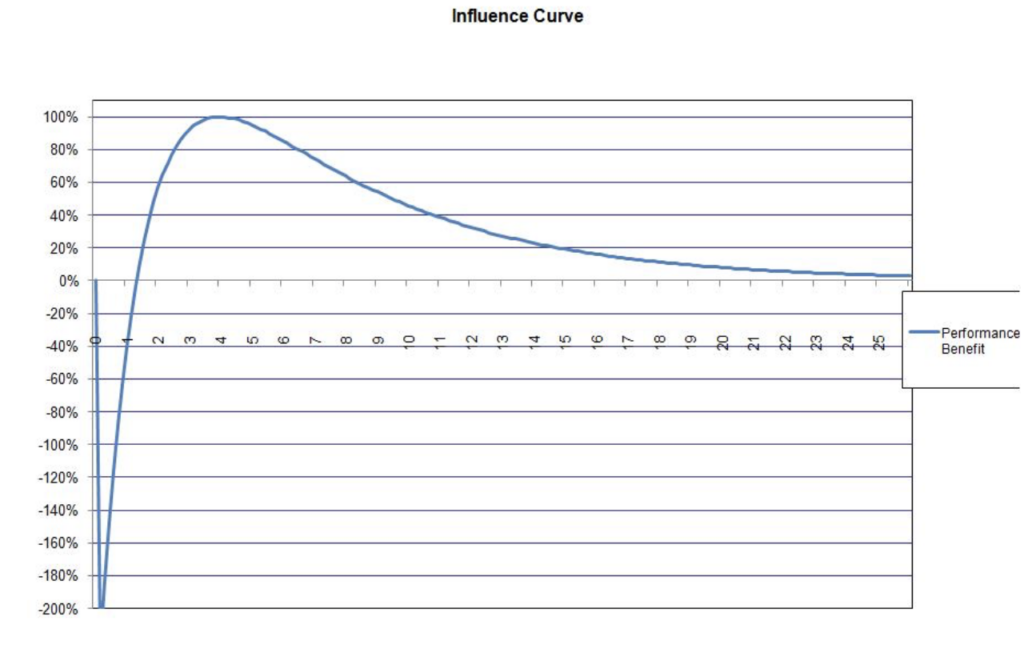
The following graph illustrates that the Build & Peak phases significantly influence race day performance. It’s also important to understand that about 10 days before the race, major improvements in form are unlikely. Overexertion during this period can lead to fatigue, undermining your race day readiness. However, this doesn’t mean only the last 16 weeks before a race are crucial. These weeks are indeed pivotal for race day performance, but a strong and well-developed base in the preceding 10-8 weeks is essential. This base allows for effective handling of the intense workload during the crucial weeks. Ensuring a robust aerobic base before entering the race preparation phase (8-10 weeks out) is critical.
Understanding your personal limitations is vital. For example, if you’re in the 12-week base phase and, three-quarters of the way through, your performance metrics aren’t showing the expected improvements, it might be wise to extend the base period. While I won’t delve into the specifics of planning here, it’s important to recognize that your Annual Training Plan (ATP) should not be rigid. Flexibility is key, especially for non-professional athletes whose daily lives may bring unpredictable challenges. Incorporating first principle thinking in your training plan development can significantly help in tailoring the plan to suit your individual needs and limitations, ensuring a more effective and personalized approach.
Always try to understand the core truths and then build them up to fit YOUR needs. Show yourself some compassion along the way and keep up the grind.
Flo